PCSing to Fort Liberty and wondering what life looks like off post in Fayetteville? You are not alone. Many military families ask the same questions about commutes, neighborhoods, schools, and daily life before they start a home search. In this guide, you will learn how living in Fayetteville and greater Cumberland County can fit your family, from housing options to support networks and weekend fun. Let’s dive in.
Everyday life and the Fort Liberty commute
Commute times by area
Your daily drive depends on where you live and which gate you use. Many Fayetteville neighborhoods fall within a 10 to 30 minute drive to central points on Fort Liberty. Areas that border the installation or sit just north, like Spring Lake, can offer short commutes under 10 to 15 minutes. If you choose downtown or farther suburban pockets, plan for 20 to 30 minutes or a bit more during rush hour.
Peak delays typically follow weekday morning and evening patterns. Gate backups, construction, and accidents can add time, so build in a buffer. Major routes include Bragg Boulevard, the All American Expressway and NC‑24 corridor, US‑401 (Raeford Road), and, for some outlying commutes, I‑295 or I‑95.
Gate access and on‑post services
You will need a military ID or visitor credentials to enter Fort Liberty. Expect ID checks and standard vehicle inspections. If your family plans frequent on‑post visits for medical appointments, school meetings, MWR, or shopping, consider proximity to the gates you’ll use most.
On post, you will find everyday essentials and support services: a commissary, exchange, Morale, Welfare and Recreation programs, Army Community Service, and Womack Army Medical Center. Living off post while using these resources is common, and many families choose neighborhoods that make gate access simple.
Getting around town
Public transit exists through the Fayetteville Area System of Transit, but service is limited compared with larger metros. Most households rely on personal vehicles. For regional travel, Fayetteville Regional Airport offers connections to major hubs, Amtrak serves the city for intercity travel, and I‑95 runs just east of town for road trips up and down the East Coast.
Housing options and costs
Home types you will see
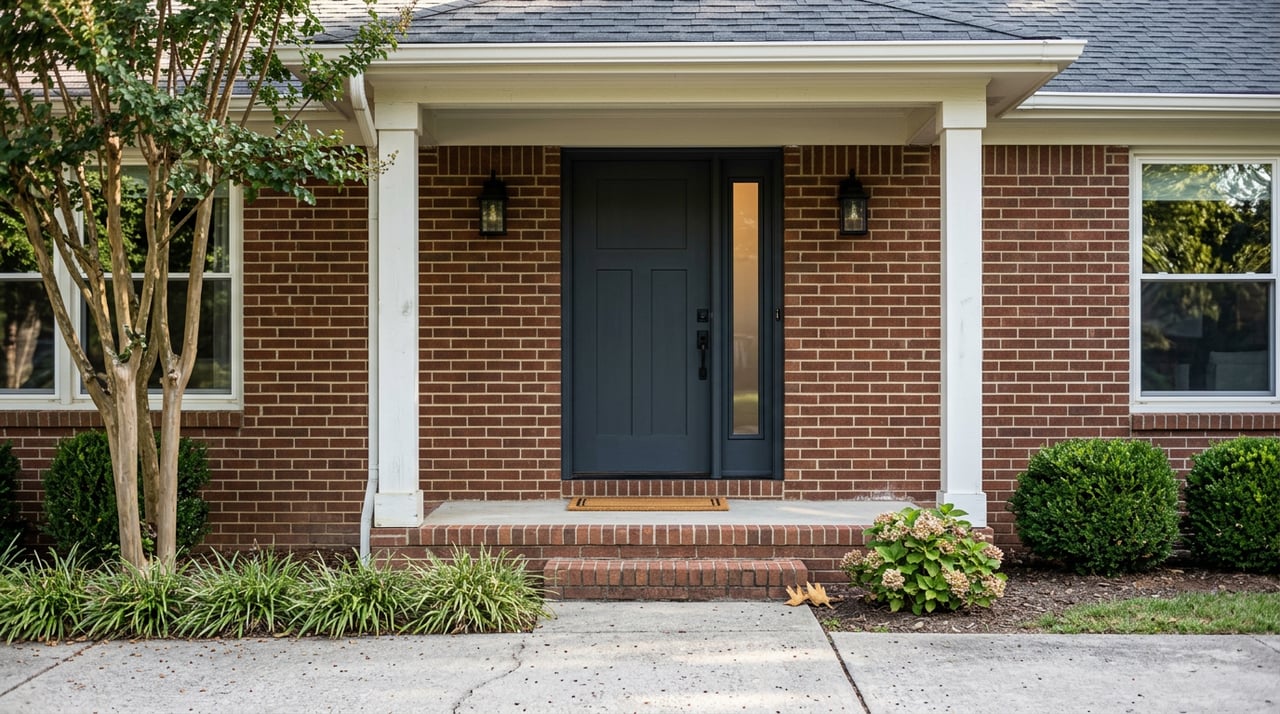
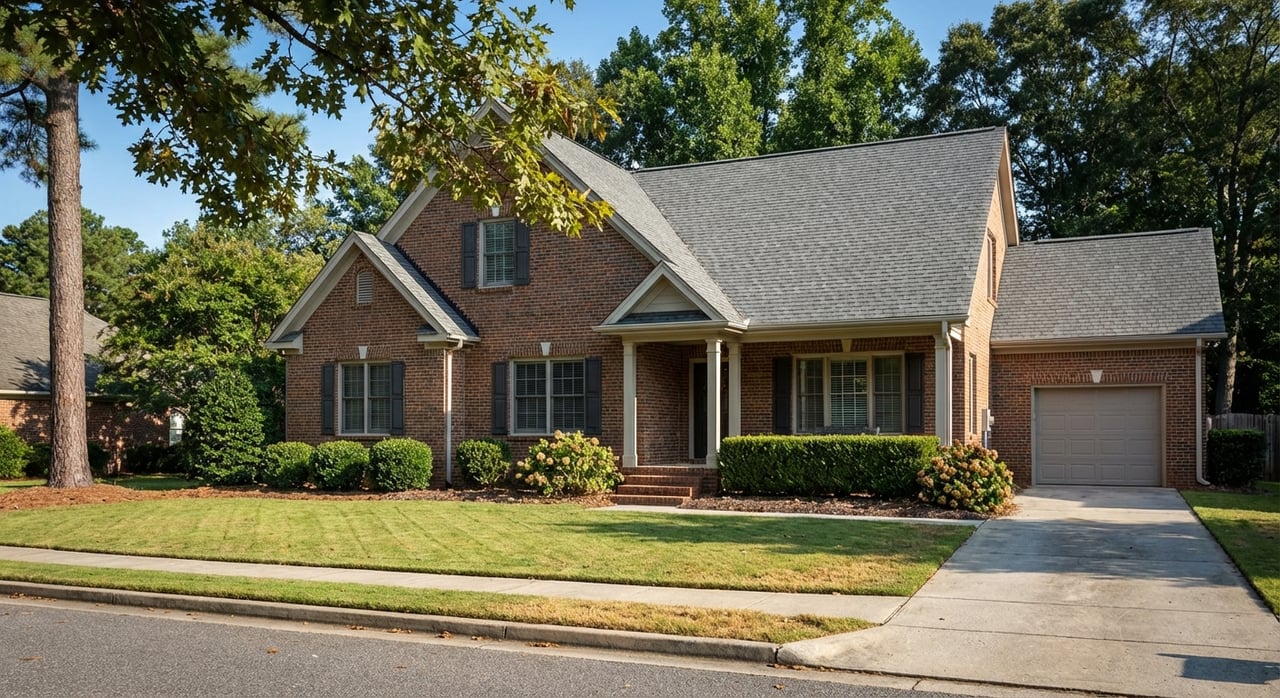
Housing stock in Fayetteville is diverse, which gives you options whether you want historic character, a newer subdivision, or more land.
- Near downtown and in older neighborhoods like Haymount, you will find historic bungalows and mid‑20th‑century homes with a walkable feel.
- In post‑1970s and newer subdivisions such as the Seventy‑First and Westover areas, Cross Creek, and parts of Hope Mills, you will see single‑family homes with yards and many HOA communities.
- Townhomes and apartment communities cluster near major corridors and closer to Fort Liberty. These can work well for shorter PCS timelines.
- If you want space, Eastover and parts of Cumberland County offer rural or semi‑rural properties with larger lots.
Prices and what to expect
Since 2020, prices and rents have moved around like many markets nationwide. As of 2023 and 2024, many local market reports placed the median sale price in the low to mid $200,000s. Prices vary by neighborhood, home age, and condition. Newer subdivisions often price higher than older in‑town options. If you are comparing homes across areas, use recent comps and a clear condition assessment. A local agent can help you interpret neighborhood‑level trends and update the snapshot as new data comes out.
Rent or buy during a PCS
Military timelines shape this decision. Short rotations and uncertainty often push families to rent near base, especially where furnished or flexible leases are available. Buying can be more affordable here than in many national metros, but results vary by neighborhood and how long you will stay. If you plan to buy, consider:
- How long you expect to be stationed here.
- The home’s resale potential in its specific neighborhood.
- Whether you are comfortable renting the property out during a future PCS.
- Inspection needs tied to local climate, like moisture and termite risks.
Neighborhood snapshots
Choosing where to live often starts with commute, then narrows to home style and day‑to‑day feel. Here are a few areas military families often explore. Use this as a starting point and always verify school assignments, HOA rules, and commute routes from your exact address.
- Spring Lake: Just north of Fort Liberty with very short access to northern gates. A mix of rental communities and single‑family homes.
- Seventy‑First and Westover: Suburban neighborhoods with shopping and a range of home sizes and ages. Many families appreciate the balance of space and convenience.
- Haymount: Close to downtown with historic homes and a walkable, established vibe.
- Eastover and parts of Cumberland County: A more suburban or rural feel with larger lots. Some areas feature higher‑end properties.
- Downtown Fayetteville and Cross Creek: City living with newer condos and townhomes plus restaurants, events, and riverfront activities nearby.
Schools, healthcare, and safety
Schools and education
Most children living off post attend Cumberland County Schools. School assignment depends on your address and can change as districts update boundaries. Some on‑post or near‑post options may involve DoDEA, but availability changes. If schooling is a priority, confirm current assignments and programs with the Fort Liberty education office and Cumberland County Schools before you sign a lease or contract.
Local higher education includes Fayetteville State University and Fayetteville Technical Community College if you or a family member is planning coursework or degrees while stationed here.
Healthcare access
Womack Army Medical Center on Fort Liberty serves active duty and eligible family members. The regional civilian option is the Cape Fear Valley Health System, which offers major emergency and specialty care. You will also find VA clinics in the region and several urgent care centers and specialty practices across Fayetteville.
Safety and research tips
Fayetteville’s overall crime rates have historically been higher than national averages. That said, crime varies by neighborhood and even by street. Many families choose subdivisions with active civic associations or gated entries. The best approach is to review local crime maps, visit neighborhoods at different times of day, and talk with neighbors to understand patterns and community efforts. A knowledgeable local agent can help you compare areas and plan for your comfort level.
Family life, climate, and things to do
Climate and home care
Fayetteville has a humid subtropical climate. Expect hot, humid summers and mild winters. Seasonal storms, occasional tropical systems, and localized flooding can occur. These conditions affect home maintenance and insurance. When you inspect a home, ask about moisture control, HVAC age and service history, roof condition, and any termite treatments. If you are buying near waterways or low‑lying areas, review flood maps and insurance requirements.
Activities and community support
Military history and community pride run deep here. Popular outings include the Airborne and Special Operations Museum, minor league baseball with the Fayetteville Woodpeckers, parks and trails, and river recreation along the Cape Fear. You will also find state parks within an easy drive for hiking and weekend trips.
Support for military families is strong. Organizations such as Army Community Service, USO programs, family readiness efforts, and local nonprofits offer help with relocation, employment support, childcare resources, and social events. If you are new to the area, these networks can make your transition smoother and help you settle in faster.
Practical checklist for your move
Use this quick list as you plan.
- Confirm your primary work locations on Fort Liberty and the gates you will use most.
- Test likely commute routes during rush hour to gauge real drive times.
- Review neighborhood‑level crime maps and talk to neighbors for on‑the‑ground insight.
- If buying, hire a local inspector familiar with moisture, mold, and termite risks.
- If renting, review PCS clauses, subletting rules, and early termination language.
- Check flood zones and ask your insurer about hurricane and wind coverage.
- Confirm current school assignments and any DoDEA options before choosing an address.
- Touch base with Fort Liberty family services for up‑to‑date guidance on housing and support.
Is Fayetteville a fit for your family?
Fayetteville and Cumberland County are shaped by the military community. You get proximity to Fort Liberty, a range of neighborhoods and home types, and strong support resources. Commutes can be short if you pick the right area, and housing costs often compare well to larger metros. The trade‑offs are typical of a defense‑driven city. You will want to research neighborhood‑level safety, confirm schools, and plan for seasonal weather.
If you want a local guide who understands both the market and the military timeline, reach out to James McQueen. You will get practical advice, neighborhood insight, and responsive help whether you plan to rent or buy.
FAQs
What is the typical Fort Liberty commute from Fayetteville?
- Commutes range from about 10 to 30 minutes for many neighborhoods. Areas closest to post, like Spring Lake, can be under 15 minutes, while downtown or farther suburbs can run 20 to 30 minutes or more during rush hour.
How do schools work for off‑post families in Fayetteville?
- Most off‑post students attend Cumberland County Schools based on address. Confirm your specific assignment and check any current DoDEA or on‑post options with the Fort Liberty education office.
Is Fayetteville safe for families living off post?
- Crime rates have been higher than national averages overall, but they vary by neighborhood. Review local crime maps, visit areas at different times, and consult a local agent for neighborhood‑level context.
Should a military family rent or buy near Fort Liberty?
- Renting can fit short PCS cycles and uncertainty. Buying may offer value compared with larger metros, but it depends on your timeline, neighborhood trends, and whether you are comfortable renting the home out during a future PCS.
Which neighborhoods are popular with military families near Fort Liberty?
- Spring Lake for short commutes, Seventy‑First and Westover for a suburban balance, Haymount for historic charm near downtown, Eastover for a semi‑rural feel with larger lots, and downtown or Cross Creek for walkable city living. Always verify schools and commutes from the exact address.